
AI in Business
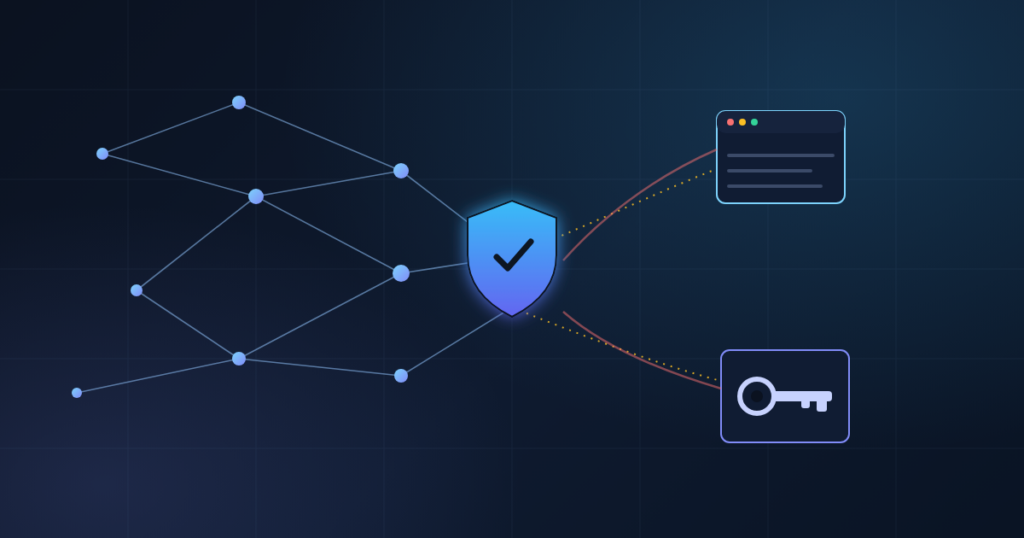
“Connecting an AI account to other business systems introduces a new category of security risk.”
Artificial intelligence has moved from novelty to necessity in business operations. Companies are using AI assistants to draft communications, analyse data, automate workflows, and even manage parts of IT and security operations. The productivity gains are real — but so is a risk that many organisations haven’t fully reckoned with: what happens when you connect an AI account to your other online applications.
AI tools increasingly offer integrations with browsers, email, cloud storage, and productivity suites. These connections are convenient — the AI can read your inbox, browse the web on your behalf, or pull data from your files automatically. But convenience comes at a cost. Every integration is a new access point, and if an AI account is compromised through a weak password, a phishing attempt, or a leaked API key, an attacker doesn’t just get the AI tool — they get everything it’s connected to.
The starkest example is password managers. Linking a password manager to an AI account effectively hands over the keys to every other system a business relies on. If that AI account is breached, the blast radius isn’t contained to one application; it extends to banking portals, client systems, email, and anywhere else those credentials unlock. The same logic applies to browser integrations: an AI with browsing access can act as you online, and a compromised session could be used to impersonate an employee, exfiltrate data, or pivot into other connected accounts.
None of this means businesses should avoid AI — the efficiency gains are too significant to ignore. But it does mean treating AI accounts with the same security discipline applied to any other privileged system: strong, unique credentials, multi-factor authentication, least-privilege access (only connect what’s genuinely needed), and regular review of which applications are actually linked. Password managers in particular should be approached with caution — if integration is unavoidable, it should be scoped as narrowly as possible and monitored closely.
Key Takeaways
- AI is essential for businesses, enhancing productivity in various operations.
- Integrations with AI account can create vulnerabilities, exposing connected applications to risks.
- Password managers linked to AI accounts pose significant security threats if breached.
- Businesses must apply strong security measures to AI accounts, including unique credentials and multi-factor authentication.
- AI tools should be used wisely, with proper security guardrails in place.
AI is a force multiplier for business. Like any powerful tool, it deserves guardrails, not blind trust.